
Občanská válka na Kubě, 1895
Churchill na Kubě
Důkaz nezdolného ducha mladého Winstona Churchilla budiž, že ještě před dokončením základního vojenského výcviku usiloval o to, aby získal přímou zkušenost s nebezpečími války. Bylo mu dvacet let a právě procházel základním jezdeckým výcvikem jako nově přijatý důstojník u 4. husarského pluku (Queen's Own Hussars), když učinil poněkud donkichotské rozhodnutí strávit svou řádnou dovolenou návštěvou Kuby, na které tehdy zuřila brutální občanská válka. Churchillovu kubánskou anabázi popisuje kniha Churchill Comes of Age: Cuba 1895 od kanadského historika Hala Klepaka.

Po celý jeho dlouhý a významný život byl jedním z Churchillových určujících rysů jeho odhodlání jít vlastní cestou, i když narážela na značný odpor. Jeho podpora nešťastné kampaně u Gallipoli během první světové války, stejně jako jeho ne zcela nadšený postoj k vylodění v Normandii v roce 1944, patří mezi nejvýraznější příklady, kdy Churchill projevil neochvějnou snahu demonstrovat svou nezávislost převládajícímu názoru navzdory. A právě tak tomu bylo i v roce 1895, kdy se rozhodl navštívit Kubu jako host španělské armády a poprvé tak ukázal cílevědomost, která ho odlišovala od jeho vrstevníků.
Jak ve své čtivé a důkladně zpracované knize o Churchillově mládí během kubánské občanské války Churchill Comes of Age: Cuba 1895 uvádí historik Hal Klepak, Churchill se na svou výpravu vydal z několika důvodů, přičemž jedním z hlavních bylo prosadit se a získat si jméno.
Churchill zrovna absolvoval Královskou vojenskou akademii v Sandhurstu, ale jeho ambice už tehdy sahaly daleko za hranice vojenské kariéry. Už v tomto mladém věku vážně uvažoval o vstupu do politiky, přičemž doufal, že tím očistí jméno svého otce, významného člena Konzervativní strany, který upadl v nemilost po nevydařeném politickém manévru a nakonec podlehl nemoci a zemřel poměrně mladý v lednu 1895 – tedy stejný měsíc, kdy Churchill opustil Sandhurst.
Klepak píše, že Churchill vnímal armádu jako prostředek k cíli, nikoli jako cíl sám o sobě — jako platformu, na níž by mohl získat slávu a uznání, které by mu později otevřely cestu do politiky. Proto se nespokojil s běžnými provozem vojenského života elitní jednotky imperiální kavalerie (přičemž však nejelitnější postavení se získávalo u pěchoty) a toužil po dobrodružství, navíc takovém, které by zahrnovalo skutečný boj a možnost prokázat svou odvahu na bojišti.
Kubánský konflikt, který vypukl na začátku téhož roku a v němž se španělské vládní síly snažily potlačit velmi účinnou partyzánskou kampaň vedenou zastánci nezávislosti, poskytl mladému důstojníkovi ideální příležitost vyzkoušet své schopnosti.
Klepak, jako odborník na kubánskou historii a politiku Latinské Ameriky a zároveň dlouholetý obdivovatel Winstona Churchilla, je výjimečně dobře vybaven k tomu, aby analyzoval toto často opomíjené, avšak formativní období Churchillova poznávání moderní války. Během svého výzkumu podnikl rozsáhlé cesty, včetně několika návštěv Kuby, kde se spolu se svým přítelem Glenem Hartlem vydal po Churchillových stopách; Hartle se podílel i na fotografické a grafické stránce knihy. Klepak nám tak ve své knize poskytuje definitivní zpracování této málo známé epizody Churchillova života.
"Tady se skutečné něco dělo. Tady byla scéna životně důležité akce. Tady bylo místo, kde se mohlo stát cokoli. Tady bylo místo, kde se určitě něco stane. Tady bych mohl nechat své kosti."
– Winston Churchill, My Early Life
Kromě touhy prosadit se měl podle Klepaka mladý Churchill i další motivy. Jedním z nich byla silná potřeba být uznáván jako člověk mimořádné osobní odvahy. Jak napsal svému mladšímu bratrovi Jackovi krátce před odplutím z Liverpoolu: "Protože jsem v mnoha ohledech zbabělec — zvláště ve škole — není žádná ambice, po které bych toužil více než po pověsti osobní statečnosti." Skutečnost, že Churchill dostal od ředitele vojenského zpravodajství pokyn "sbírat informace a statistiky o různých otázkách", zejména o novém typu náboje, který Španělé používali, dodávala jeho cestě napůl oficiální charakter a mohla dokonce prospět jeho vojenské kariéře.
Churchillovo kubánské dobrodružství plně uspokojilo jeho touhu zažít na vlastní kůži vzrušení z boje, když se připojil ke španělské bojové koloně vyslané proti partyzánům. Podle jeho vlastního svědectví se poprvé dostal pod palbu 30. listopadu, na své jednadvacáté narozeniny. "Toho dne jsem poprvé slyšel výstřely a slyšel kulky zasahovat těla a svištět vzduchem," vzpomínal později. Klepak sice zpochybňuje, zda k tomu skutečně došlo právě v den jeho narozenin, nebo o několik dní později, ale není pochyb o tom, že Churchill byl při několika příležitostech přímo zapojen do bojů, aniž by utrpěl zranění.
Při jedné příležitosti Churchill popisuje, jak byl v noci probuzen střelbou: "Brzy jsem byl probuzen palbou. Nejen jednotlivé výstřely, ale i salvy se rozléhaly nocí. Kulka protrhla doškovou střechu naší chaty, jiná zranila ordonance venku." Jak se kolona přesouvala vpřed, byla neustále ostřelována partyzány, "což činilo pochod pro všechny velmi živým." Churchill byl silně zaujat chováním španělského velitele: "Generál, velmi statečný muž — v bílo-zlaté uniformě na šedém koni — na nás přitahoval velkou část palby a já slyšel dost kulek svištět a bzučet kolem, aby mi to na nějaký čas stačilo."
Nakonec kolona dosáhla svého cíle, vytlačila partyzány z jejich pozic a obsadila území. S koncem bojů se Churchill vrátil do Havany, aby zahájil cestu zpět do Londýna, povzbuzen a nadšen svými zkušenostmi.
Jak Klepak uvádí v závěrečné kapitole, vzpomínky na kubánské dobrodružství zůstaly Churchillovi po celý život. Právě zde oslavil své jednadvacáté narozeniny a právě zde, při pochodu kubánským venkovem, prošel svým "křtem ohněm". V mnoha ohledech to byla Kuba roku 1895, kde Winston Churchill skutečně dospěl.
Con Coughlin
International Churchill Society
Con Coughlin je britský novinář a spisovatel, působí jako redaktor pro obranu v deníku The Daily Telegraph a je autorem knihy Churchill's First War (2013).
MLADISTVÝ DOBRODRUH
Kuba, 1895: První jasné náznaky muže, kterým se měl stát
Dr. Hal Klepak
Finest Hour 159, léto 2013
Během tří týdnů, které mladý Winston Churchill strávil na Kubě v roce 1895 uprostřed španělské protipovstalecké kampaně, se u něj již začaly projevovat rysy osobnosti, kterou se měl v budoucnu stát: spisovatel, voják, politický a vojenský analytik, válečný zpravodaj, dobrodruh, myslitel, a dokonce i umělec.
Lourdes Méndez Vargas, kronikářka obce Arroyo Blanco v provinci Sancti Spíritus ve střední Kubě, je amatérkou pouze v tom smyslu, že nedrží stálé profesorské místo na žádné z kubánských univerzit. Její oddanost historii Arroyo Blanco je však taková, že si již vybudovala pevné místo mezi historiky své provincie, jež se v roce 2014 připravuje na oslavy 500. výročí od svého založení. Pochází z vlivné místní rodiny, jejíž kořeny sahají hluboko do koloniální minulosti tohoto regionu.
Lourdes Méndez se začala zabývat úlohou své rodné obce jako klíčového bodu španělského obranného systému, kterému se během předchozího povstání (1868–1878) dařilo udržet rebelii pouze v relativně chudé východní části Kuby. Prosperující západ země tehdy po celý čas konfliktu zůstal v rukou lojalistů. Když jsme se loni setkali na jedné konferenci, navrhla mi neobvyklý projekt.
Všimla si totiž, že Churchillovu pobytu u španělských jednotek v Arroyo Blanco v roce 1895 věnoval výzkum poměrně málo pozornosti – a to přesto, že je považován za vůbec nejdůležitějšího návštěvníka v historii obce. Churchill zde slavil své 21. narozeniny a ochutnal tu své první opravdové kubánské doutníky v polních podmínkách. (V nedalekém tabákovém centru Cabaiguán se dodnes balí prémiové značky doutníků Romeo y Julieta, Montecristo či Cohiba. Za druhé světové války si Churchill velice oblíbil značku Romeo y Julieta
a právě formát Julieta No. 2 z portfolia tohoto brandu, který vznikl u příležitosti druhé Churchillovy návštěvy ostrova v roce 1946, se stal celosvětově známým pod označením "Churchill". – pozn. redakce Churchill Society CZ)
Zklamaná tím, jak málo se o Churchillově pobytu ví – ať už v angličtině, nebo ve španělštině –, se rozhodla prozkoumat kubánské vojenské archivy. A právě tam narazila na celou řadu zcela nových poznatků.
Ukázalo se jako docela možné, že pokud získáme přístup ke španělským a kubánským diplomatickým i vojenským archivům, dokážeme propojit jednotlivé stopy a poskládat Churchillův pohyb po ostrově v mnohem větším detailu než kdy dříve. Mohli bychom tak přesně zjistit, proti komu stál při střetech, které sám popisoval, a odhalit podstatně více o sérii událostí, jež před téměř 120 lety významně poznamenaly jak jeho život, tak kubánskou historii.

Jakožto jistý obdivovatel Churchilla jsem v možnosti tento projekt rozpracovat v anglofonním světě viděl báječnou příležitost. S vědomím, jak mnoho by k tomuto příběhu mohly dodat britské archivy, jsem navrhl projekt rozšířit: s tím, že na kubánských a španělských pramenech budeme pracovat oba, zatímco já prozkoumám britské záznamy, jelikož mluvím anglicky a mohu bývat ve Velké Británii častěji. Dosavadním výsledkem je výjimečná série "poprvé" v životě Winstona Churchilla.
Lourdes Méndez pracovala prakticky na plný úvazek a soustředila se na Churchilla v Arroyo Blanco, zatímco já jsem začal studovat širší téma Churchilla na Kubě. Na ostrov se samozřejmě krátce vrátil ještě v roce 1946, avšak předmětem našeho zájmu je zkušenost, kterou tam získal v roce 1895. Ve své době plně nepochopený kubánský výlet byl prvním mezinárodním dobrodružstvím jednoho z největších dobrodruhů naší doby. Jako chlapec sice navštívil Francii a Švýcarsko, ale nikdy předtím nebyl mimo západní Evropu ani v žádné části zámořského Britského impéria.
V pohnutém roce 1895 ztratil Churchill otce, babičku Claru i svou milovanou chůvu, paní Elizabeth Everestovou, zatímco dokončil studia na vojenské akademii v Sandhurstu a vstoupil k kavalerii, konkrétně k 4. husarskému pluku. Znechucen mírovou rutinou a s vyhlídkou na dlouhou službu v klidné Indii toužil Churchill po dobrodružství. Rozhodl se, že Kuba mu nabídne přesně tu akci, po níž prahnul.
Po smrti otce v lednu 1895 začala Lady Randolph věnovat svým synům větší pozornost a zejména Winston toho uměl dokonale využít. Své plány jí oznámil až ve chvíli, kdy byl pevně rozhodnut, a bezobratle ji požádal, aby se přimluvila u každého – od britrského velvyslance v Madridu Sir Henryho Drummonda Wolffa až po hlavního velitele armády, lorda Wolseleyho. Jako armádní důstojník potřeboval Wolseleyho povolení k cestě na Kubu, aby mohl o povstání podávat zprávy jako válečný zpravodaj. Podařilo se mu získat i malý oficiální úkol: podat Ministerstvu války zprávu o novém typu španělského puškového střeliva, které ministerstvo zajímalo.
Kuba se stala prvním příkladem té touhy po dobrodružství, jež Churchilla provázela po celý život. Zatímco jiní dopisovatelé možná seděli pohodlně v havanských hotelech a poslouchali jen fámám z fronty, mladý Winston si přes svoje kontakty zařídil, aby se k španělským jednotkám na tažení skutečně připojil – aby na vlastní oči viděl, co se děje. Představíme-li si tu kuráž (jeden tiskový orgán to nazval "drzostí") tak mladého důstojníka, pouhého podporučíka čerstvě ze Sandhurstu, který žádá o dovolenou k takovému úkolu, je jasné, že máme co do činění s výjimečnou osobností. Toto byl typický churchillovský styl: odvážný, netknutý byrokracií či autoritami, nestydící se tahat za nitky a osobně neohrožený. To vše se dravalo na povrch zrovna v době, kdy slavil jednadvacáté narozeniny, což ukazuje, jak brzy se u něj tyto vlastnosti vyvinuly.
Churchill si dohodl psaní pro list Daily Graphic, pro který dříve psal i jeho otec. Nebyl zvlášť dobře placen, ale s penězi, které mu poskytla matka, si mohl cestu zarezervovat v pohodlí. Jeho společníkem byl mladý Reginald Barnes, který později velil divizi ve Francii a stejně jako Churchill se stal čestným šéfem (plukovníkem) 4. husarského pluku – což byla vysoce prestižní funkce jakéhosi patrona a strážce tradic pluku. Nejprve odcestovali do New Yorku, kde Winston absolvoval inspirativní návštěvu u Bourke Cockrana (viz "Churchill's American Mentor", FH 115, léto 2002; a "What Churchill Owed the Great Republic", FH 125, zima 2004–05).
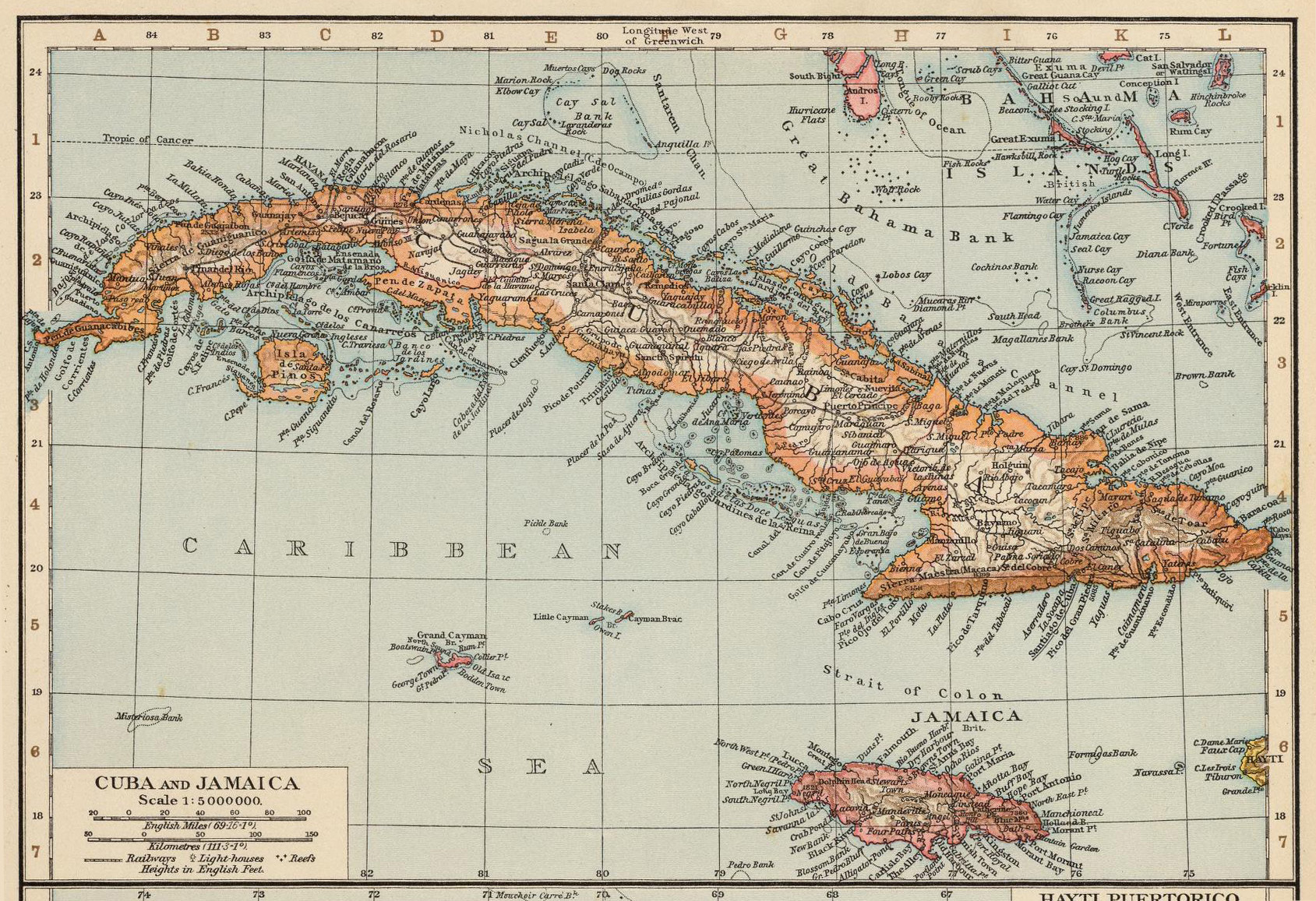
Barnes a Churchill odjeli vlakem do Tampy, odkud se odplavili do Havany, kam dorazili 20. listopadu. Poté, co je přijal zástupce velitele ostrova, odjeli vlakem do vnitrozemského města Santa Clara, kde sídlil hlavní stan španělské armády. Ani jeden nemluvil španělsky, ani jeden nebyl u svého pluku. Připojili se k armádě země, která nebyla ani britským spojencem a její potlačování kubánského povstání většina Britů – a zejména tisk – odmítala. To se mělo později ukázat jako problematické.
Podle dohody se španělským ministerstvem zahraničí přijala Churchilla a Barnese v Santa Claře osobnost nejpovolanější: generál Arsenio Martínez Campos, generální kapitán Kuby. Bylo jim doporučeno, aby odjeli do Sancti Spiritus a připojili se k mobilní koloně, bezpečně se tam však mohli dostat jen oklikou. Pokračovali tedy vlakem na jižní pobřeží, lodí dále na východ do malého přístavu Tunas de Zaza a znova železnicí do Sancti Spiritus, kam dorazili 23. listopadu. Zde se setkali s velitelem kolony generálem Álvarem Suárezem Valdésem. Následujícího dne vyrazila kolona k opevněné vesnici Arroyo Blanco, kam dorazila 27. listopadu bez jakýchkoliv incidentů.

Před dalším postupem se kolona rozdělila na dvě části. Jedna zamířila na severovýchod, aby zásobovala španělská stanoviště zajišťující "Trochu" – 200 yardů širokou opevněnou linii táhnoucí se od Morónu na severu k Júcaru na jihu, která byla vybudována k zadržení povstání. Druhá skupina, v níž byli i Churchill a Barnes, vyrazila vyhledat a napadnout jakékoliv povstalce, na které narazí. Brzy se tato kolona dozvěděla o příjezdu sil vedených dvěma největšími povstaleckými generály: Máximem Gómezem, Dominikáncem, který byl pro své schopnosti a zkušenosti generálissimem už během povstání v roce 1868, a Antoniem Maceem, mulatem s obrovskou odvahou a vojenským nadáním. Oba byli fakticky na cestě na západ – po invazní trase, která v předchozí válce tak žalostně selhala, ale bez níž nebyla naděje na vítězství.
Španělé si nebyli jisti velikostí kolony mambises (kubánských povstalců), věděli však, že bude mít silné kavalerní zastoupení, bude mimořádně mobilní a nebezpečná. Ve skutečnosti se její síla pohybovala kolem 4 000 mužů, z nichž 3 000 tvořila jízda a 1 000 pěchota. Suárez Valdéz měl k dispozici 1 800 mužů, ale jen 200 z nich tvořilo klíčové letectvo a jízdu, jež v kubánském terénu poskytovaly mobilitu, rychlost a možnost překvapení. Vzhledem k tomu, že povstalci měli mnohonásobně více jezdců, lze předpokládat, že rozkazy od Martíneze Campose pro Suáreze Valdéze zněly: navázat kontakt, vyhodnotit situaci, ale nepouštět se do velké bitvy.
Churchillovy úsudky o následujících akcích naznačovaly, že plně nezná španělský pohled na jejich situaci. Přesto byl jedné noci odveden na blízké vyvýšené místo, odkud se pomocí heliografu udržovalo spojení s Trochou, a málem to skončilo tragédií. Pozdě odpoledne, bez pořádného doprovodu, se on i jeho španělští hostitelé ocitli za tmy na území ovládaném povstalci. Se štěstím, které se mělo brzy stát legendárním, se Churchill i Španělé dostali zpět do bezpečí. S pomocí místních rolníků překračovali povstalci poměrně slabě bráněnou Trochu podle libosti a ti, se kterými se měl Churchill setkat, už byli západně od této linie.
Dne 29. listopadu, v předvečer svých 21. narozenin, napsal Winston svůj druhý "dopis" pro Daily Graphic, tentokrát z Arroyo Blanco. Stále toužil po akci, ale nemusel čekat dlouho. Následujícího dne, v den své plnoletosti, poprvé spatřil nepřítele; křest ohněm pak zažil hned druhý den, když povstalci dvakrát zahájili palbu na kolonu. Téže noci byl ostřelován i tábor, což byla součást povstalecké taktiky jak Španěly vyčerpat neustálým znepokojováním; došlo k pádům i zraněním, přičemž jedno se odehrálo přímo před Churchillovým stanem. Jeho smysl pro humor byl patrný, když o tomto dobrodružství psal matce, což později vzpomínal i ve své autobiografii:
Posilnil jsem se myšlenkou, že španělský důstojník, jehož houpací síť byla zavěšena mezi mnou a palbou nepřítele, byl muž značné konstituce; vskutku by ho někdo mohl nazvat až tlustým. Proti tlustým mužům jsem nikdy nic nenamítal. V žádném případě jsem tomuto chlapíkovi jeho jídlo nepřál méně. Postupně jsem upadl do spánku.
Takový jemný humor prosvítal jeho zpravodajskými depešemi už tehdy – další náznak věcí budoucích v jeho pozoruhodném životě. Ve své druhé depeši z 23. listopadu Churchill napsal:
Bylo mi vysvětleno, že při zvolání jakékoli stráže nebo hlídky je nutné odpovídat velmi hbitě. Pokud postupem dedukce, který by mu mohl závidět i sám Sherlock Holmes, dospějete k závěru, že hlídka je španělská, odpovíte "Španělsko"; pokud si naopak myslíte, že jde o povstalecké stanoviště, odpovíte "Svobodná Kuba"; pokud se však pomýlíte, bude to pravděpodobně velmi nepříjemné.
Následujícího dne kolona pokračovala na východ a znovu se dostala pod palbu. Churchill a někteří další důstojníci se rozhodli vykoupat v půvabné řece a brzy se stali terčem ostřelovačů a následně i ostré palby. V scéně, která musela působit poněkud komicky, se snažili co nejrychleji obléct, dokud hlavní španělské síly povstalce nezatlačily zpět. Winston už podruhé zažil těsný únik. Bylo to přesně to, co hledal – předzvěst jeho výstřelků v Indii, Súdánu, Jižní Africe a nakonec i v Evropě.
Tento den přinesl "bitvu" u La Reforma. Šlo o drobnou akci, protože povstalci nechtěli velký střet a spěchali dále na západ, zatímco Španělů pravděpodobně nebylo dost na to, aby udělali více než je znepokojovali. Churchill byl přímo v centru dění, nikoli ze své vůle, ale proto, že španělský generál, muž obrovské odvahy, chtěl svým mladým hostům dopřát úplný pohled na akci a držel je hned vedle sebe pod palbou 100–200 povstaleckých vojáků, kteří zahradili cestu a donutili kolonu k rozvinutí. Z toho vznikla ona pozoruhodná skica od Churchilla (pravděpodobně profesionálně upravená pro publikaci) zobrazující španělské dělostřelectvo rozvinující se k palbě – scéna jen pár metrů od místa, kde sám seděl v sedle pod přímou palbou v reálném vojenském střetu.
Generál a Churchill pokračovali na východ do města Ciego de Ávila, klíčového uzlu celé 68 kilometrů dlouhé obranné linie Trocha. Odtud se Winston vrátil k pobřeží, stále ve společnosti Suáreze Valdéze, a následně zpět do Havany.
Dne 10. prosince odplul on i Barnes zpět do Tampy, kde se Churchill poprvé setkal s nepřátelsky naladěným tiskem. Stejně jako v Británii bylo i ve Spojených státech veřejné mínění výrazně nakloněno povstalcům. Fáma – ve skutečnosti pravdivá –, že Španělé plánují Churchilla a Barnese vyznamenat za odvahu pod palbou, vedla ke spekulacím, že oba důstojníci bojovali po boku Španělů, namísto toho, aby pouze přihlíželi jako pozorovatelé.
Vzhledem k významu, který Havana a Madrid přikládaly i tomu nejmenšímu náznaku britské podpory, Španělé s vyvracením těchto domněnek vůbec nespěchali. Churchill se snažil floridský tisk i veřejnost přesvědčit o opaku a zdůrazňoval, že byl oprávněn použít svou pistoli pouze v sebeobraně. Nepřátelství ze strany tisku – první, kterému čelil, ale zdaleka ne poslední – se mělo opakovat i v Británii, jakmile se zprávy o jeho aktivitách rozšířily.
Jak napsal Robert Pilpel, přelomový rok 1895 přinesl přerod Winstona Churchilla ze života "skromných úspěchů" do života "slavných vrcholů a úchvatných zadostiučinění". Jeho kubánské dobrodružství přineslo několik mimořádných "poprvé" pro mladého muže, který se měl stát "Osobností století" a zvolen "Největším Britem". Kuba znamenala jeho křest ohněm, jeho vstoupení do dospělosti, jeho první práci pro Ministerstvo války i jeho uznání jako obratného a hlubokavého novináře. Když opouštěl Británii a vydával se na vysoce rizikové dobrodružství, dostal svou první ochutnávku války.
Ve svých textech pečlivě a s velkým postřehem analyzoval významné politické i vojenské události. Projevil obrovskou osobní odvahu a poprvé se střetl s nepřátelským tiskem. Kuba se zkrátka vyplatila.
Ze všech těchto důvodů je probíhající projekt zaměřený na rozšíření našich znalostí o jeho kubánských dobrodružstvích tak vzrušující. Jak čtenáři vědí, hlavním problémem dnešních churchillovských historiků je často najít cokoli nového, co by se ještě dalo říci. Kubánský pobyt nabízí prostor pro nové myšlenky a ocenění všeho, co dokázal v tak mladém věku. Zřetelně již tehdy vykazoval jasné známky toho, kým se stane: pozoruhodnou osobností s dovednostmi, které později propůjčil svému králi, vlasti a celé civilizaci.
Dr. Klepak, žijící v Ottawě, je vojenský a diplomatický historik specializující se na Latinskou Ameriku. Churchillovy kubánské depeše pro The Daily Graphic si můžete přečíst v prvním svazku doprovodných dokumentů k oficiální biografii, který vydalo nakladatelství Hillsdale College Press.